
Jugendbegegnung „Movies on Human Rights“ – Eindrücke und Erinnerungen: Teil 2
** english version below **
Hallo zusammen, hier ist wieder Sofia. Ich habe euch auf dieser Website bereits vom ersten Teil des Programms „Movies on Human Rights“ erzählt, den ihr hier nachlesen könnt.
Für alle, die es verpasst haben und nicht noch einen langen Text lesen möchten: Ich bin Freiwillige beim PJR, und bei dem Programm, von dem ich heute erzähle, handelte es sich um eine Jugendbegegnung zwischenjungen Menschen aus Deutschland, Georgien und Montenegro, gefördert von Erasmus+, dem Freistaat Sachsen und der Stiftung West-Östliche-Begegnungen.
Für mich war dieser Austausch eine tolle Möglichkeit, mehr über andere Kulturen zu erfahren, die Welt zu sehen und einige bemerkenswerte und hochmotivierte Menschen kennenzulernen. Und nicht weniger wichtig: Ich hatte die Möglichkeit, mein Wissen über die aktuelle Menschenrechtssituation in diesen Ländern zu erweitern und meine Fähigkeiten im Bereich Videoproduktion zu verbessern, die für meine Arbeit im Social-Media-Bereich sehr nützlich sind.
Erinnerungen an Georgien
Den ersten Teil des Programms verbrachte ich zusammen mit den anderen Teilnehmenden in Kobuleti, einer kleinen Touristenstadt am Meer in Georgien. Berge am Horizont und warme Meereswellen, Strände mit bunten Kieselsteinen, die ich bis heute auf dem Boden meiner Taschen finde; Märkte mit dem leckersten Wein und lokalen Spezialitäten und die unvergessliche Gastfreundschaft der georgischen Menschen – einer Nation, die ich seit meiner Kindheit kenne und liebe …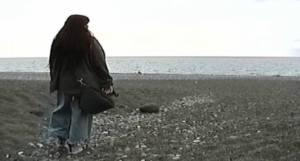
Besonders gerne erinnere ich mich an unseren Ausflug nach Batumi – eine Stadt, die ich schon immer als den Ort kannte, an dem das leckerste Mineralwasser der Welt hergestellt wird und in der mein Großvater noch zu Sowjetzeiten den besten Schaschlik seines Lebens gegessen hat.
Und indem ich von morgens bis abends durch Batumi gelaufen bin, hatte ich die Möglichkeit, die Stadt von ganz unterschiedlichen Seiten kennenzulernen und an einem Tag so viele Stadtteile wie möglich zu entdecken. Ich habe alles gesehen – von alten klassischen Gebäuden bis hin zu Wolkenkratzern, Schmuckmärkten und Cafés mit saftigen Chinkali – und hatte die Gelegenheit, mit vielen Einheimischen ganz persönliche Gespräche zu führen.
Aber genug von den Emotionen und Eindrücken. Was das eigentliche Programm betrifft, habe ich in Georgien an zahlreichen Workshops zum Thema Menschenrechte teilgenommen, mir bekannte Fälle von Menschenrechtsverletzungen geteilt und Antworten auf meine Fragen zur Situation in anderen Ländern und Regionen bekommen. Außerdem habe ich meine Storytelling-Fähigkeiten verbessert, mich mit Bildkomposition und Kameraführung beschäftigt und mein allererstes Drehbuch geschrieben.
Aber am wichtigsten war für mich, dass wir zusammen mit einem großartigen Team einen autobiografischen Kurzfilm mit einem alten Camcorder auf Kassette gedreht haben
Der deutsche Teil des Programms
Fast einen Monat später trafen wir uns alle wieder, dieses Mal in Dresden. Ich könnte die Stadt genauso lange loben, aber das ist ein bisschen schwieriger, wenn ich selbst hier lebe. Trotzdem gab es für unsere Gäste jede Menge zu sehen und zu entdecken – und genau damit haben wir uns am ersten Tag des Programms beschäftigt.
Unsere Koordinatorin aus der deutschen Gruppe hat uns eine sehr informative Stadtführung durch Dresden gegeben und uns mit vielen Fotos und Geschichten die Geschichte und Sehenswürdigkeiten der Stadt nähergebracht. Ich weiß, dass viele der Teilnehmenden auch Museen besucht haben und beeindruckt wieder herausgekommen sind.
Später hatten wir bei unserem Ausflug nach Leipzig die Möglichkeit, noch mehr von Deutschland zu sehen, und verbrachten dort den ganzen Tag. Für mich bedeutete das: zuerst in das erste Café, dann ins zweite und schließlich zum Abschluss des Tages ins dritte. Was soll ich sagen? Ich liebe Kaffee. Die anderen haben es dagegen geschafft, historische Kirchen, große Parks und verschiedene Einkaufszentren zu besuchen, und jede Person nahm etwas für sich mit – schöne Fotos, bunte Erinnerungen oder lustige Souvenirs.
Filmmaking
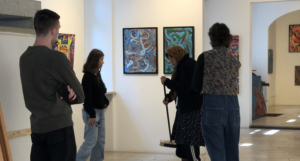
Während des deutschen Teils konnten die anderen Gruppen noch Filmmaterial für ihre Projekte drehen, und ich war bei einem dieser Drehs in einer kleinen Kunstgalerie in der Neustadt dabei. Mit Kostümen, Make-up und Schauspiel zu arbeiten – es war wirklich spannend, dabei zuzusehen, wie alles zusammenkommt.
Da das gesamte Filmmaterial für mein Projekt allerdings schon fertig war, blieb für mich ein großer Teil der Arbeit übrig: Schnitt und Voice-over. Es klingt einfach und kurz, wenn man es so sagt, aber in Wirklichkeit war es absolut nichts davon.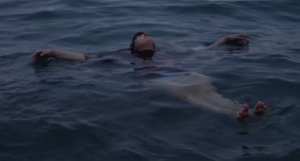
Zwei lange Tage voller ununterbrochener Arbeit, in denen ich mehr über Videoproduktion gelernt habe als in all den Jahren zuvor … Ich bin wirklich dankbar für die technische Unterstützung, den Workshop zur Arbeit mit DaVinci Resolve und die Unterstützung so vieler Profis aus dem Bereich Filmmaking.
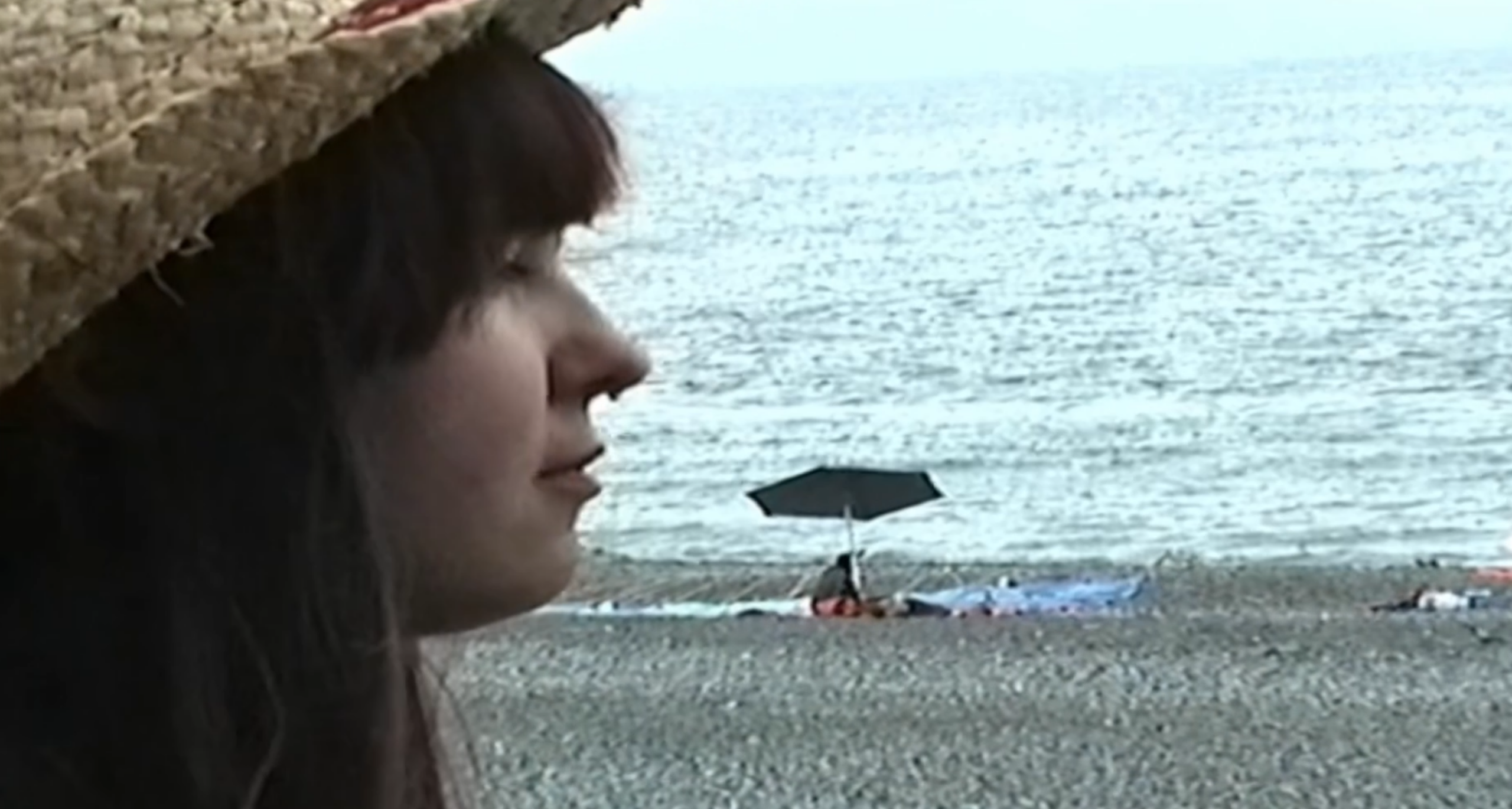
Und so entstand nach unzähligen Stunden, Computer-Bugs und einer Menge Nerven mein Kurzfilm „By the Seaside“, der mir sehr am Herzen liegt – ein Video-Essay über die Schwierigkeiten von Zwangsmigration, die Anpassung an ein neues Land und die Sehnsucht nach Zuhause. Und all das wird durch das Leitmotiv des Meeres verbunden.
„I’m thankful for the life I’ve got for now. … But it’s not the same. And it will never be the same.“ Das ist der Slogan und die Hauptidee hinter dem gesamten Projekt, durch das ich mein Leben zeige.
Es war eine sehr persönliche und emotional herausfordernde Arbeit, und ich bin „Movies on Human Rights“ dankbar für die Möglichkeit, dieser Geschichte Leben einzuhauchen.
Die Zukunft
Für mich, genauso wie für einige andere Teilnehmende, war dies das erste Projekt dieser Art. Aber definitiv nicht das letzte.
Ich habe so viel gelernt und gemacht, dass es schwierig ist, all das mit einer so kurzen Zeit von gerade einmal zwei Wochen in Verbindung zu bringen.
Ich möchte mich ganz herzlich bei allen Organisator und Koordinator, Partnern und Förderern für diese Möglichkeit bedanken und bei allen anderen Teilnehmenden für die offene Atmosphäre und die Freundlichkeit.
Hoffentlich bis zum nächsten Mal!
Youth Exchange “Movies on Human Rights” – Impressions and Memories:
Part 2
Hi everyone, it’s Sofia again. I’ve already told you about the first part of the “Movies on Human Rights” programme on this website, which you can read here.
For those who missed it and don’t want to read another long text: I’m a volunteer at PJR, and the programme I’m talking about today was a youth exchange between people from Germany, Georgia and Montenegro, funded by Erasmus+, the State of Saxony and the Stiftung West-Östliche-Begegnungen.
I found this exchange to be a great opportunity to learn more about other cultures, see the world and meet some remarkable, highly motivated people. And, no less importantly, I got the chance to expand my knowledge about the current human rights situation in these countries and improve my video-making skills, which are useful for my work in the social media field.
Memories of Georgia
For the first part of the programme, I stayed with the other participants in Kobuleti, a small tourist town by the sea in Georgia. Mountains on the horizon and warm sea waves, beaches covered with colourful pebbles that I still find at the bottom of my bags; markets with the most delicious wine and local delicacies, and the unforgettable hospitality of the Georgian people, a nation I have known and loved since childhood…
I especially warmly remember our trip to Batumi – a city I had always known as the place where the world’s most delicious mineral water is produced, and where my grandfather ate the best shashlik of his life back in Soviet times.
And by walking around Batumi from morning till evening, I got the chance to discover its different sides and cover as many parts of the city as possible in one day. I saw everything from old classical buildings to skyscrapers, jewellery markets and cafés with juicy khinkali, and had the chance to have heartfelt conversations with many locals.
But that’s enough about emotions and impressions. As for the actual programme, it was in Georgia that I took part in numerous workshops on the topic of human rights, shared cases of human violations that I was familiar with, and got answers to my questions about the situation in other countries and territories. I also improved my storytelling skills, worked on framing and composition, and wrote my very first script.
But most importantly, together with an amazing team, we filmed my autobiographical short film using a vintage camcorder.
The German Part of the Programme
Almost a month later, we all met again, this time in Dresden. I could praise the city for just as long, but it’s a little harder when I actually live here. Nevertheless, our guests had plenty to see and be impressed by – and that’s exactly what we did on the first day of the programme.
Our coordinator from the German group gave us a very informative tour of Dresden and introduced us to the city’s history and sights through lots of photos and stories. I know that many of the participants also visited museums and came away impressed.
Later, we got the chance to see more of Germany during our trip to Leipzig, where we spent the whole day exploring the city. For me, this meant going to the first coffee shop, then the second one, and finally the third one to finish the day. What can I say? I love coffee. The others, however, managed to visit historic churches, big parks and various shopping centres, and everyone went back with something of their own – beautiful photos, colourful memories or funny souvenirs.
Filmmaking
During the German part, the other groups were able to finish filming material for their projects, and I joined one of these shoots at a small art gallery in Neustadt. Working with costumes, makeup and acting – it was genuinely fascinating to watch all of it come together.
But since all the footage for my project was already ready, I was left with a huge amount of work: editing and voice-over. It sounds easy and brief when you put it like that, but in reality – absolutely none of it was.
Two long days of non-stop work, during which I learned more about video production than I had in all the previous years… I’m genuinely grateful for the technical help, the workshop on working with DaVinci Resolve, and the support of so many professionals from the filmmaking field.
And so, after countless hours, computer bugs and a lot of effort, my dear-to-my-heart short film “By the Seaside” was born – a video essay about the difficulties of forced emigration, adapting to a new country and missing home. And all of this is connected by the leitmotif of the sea.
“I’m thankful for the life I’ve got for now. … But it’s not the same. And it will never be the same.” This is the slogan and the main idea behind the whole project, through which I show my life.
It was a deeply personal and emotionally demanding piece of work, and I’m grateful to “Movies on Human Rights” for giving me the opportunity to bring this story to life.
The Future
For me, as well as for some of the other participants, this was the first project of its kind. But definitely not the last.
I learned and did so much that it’s difficult to fit it all into such a short period of just two weeks.
I would sincerely like to thank all the organisers and coordinators, partners and sponsors for giving me this opportunity, and all the other participants for the open atmosphere and friendliness.
Hopefully, until next time!